Farm Tractor and Trailer Selection: Optimizing for Sustainability and Efficiency in 2025
Choosing the right farm tractor and trailer is a crucial investment impacting long-term profitability and environmental responsibility. This comprehensive guide helps you navigate the market, understand sustainable options, and make informed decisions for your farm's success. The right combination will boost efficiency, minimize environmental impact, and ultimately, improve your bottom line. But how do you find the perfect fit? Let's explore the key factors to consider. For more on comparing tractor-trailer options, see this helpful resource: tractor vs semi.
Matching Tractor and Trailer: Payload and Capacity Considerations
Before selecting specific models, accurately assess your hauling needs. What will you primarily transport – livestock, hay bales, harvested grain, or equipment? Matching the tractor's power and towing capacity to the trailer's payload is paramount. Overestimating leads to underpowered operation, while underestimating risks equipment failure and safety hazards. "A small tractor pulling a large load is a recipe for disaster," says Dr. Anya Sharma, Agricultural Engineering Professor at Purdue University.
Decoding Trailer Types: A Comparative Overview
Several trailer types cater to specific agricultural needs:
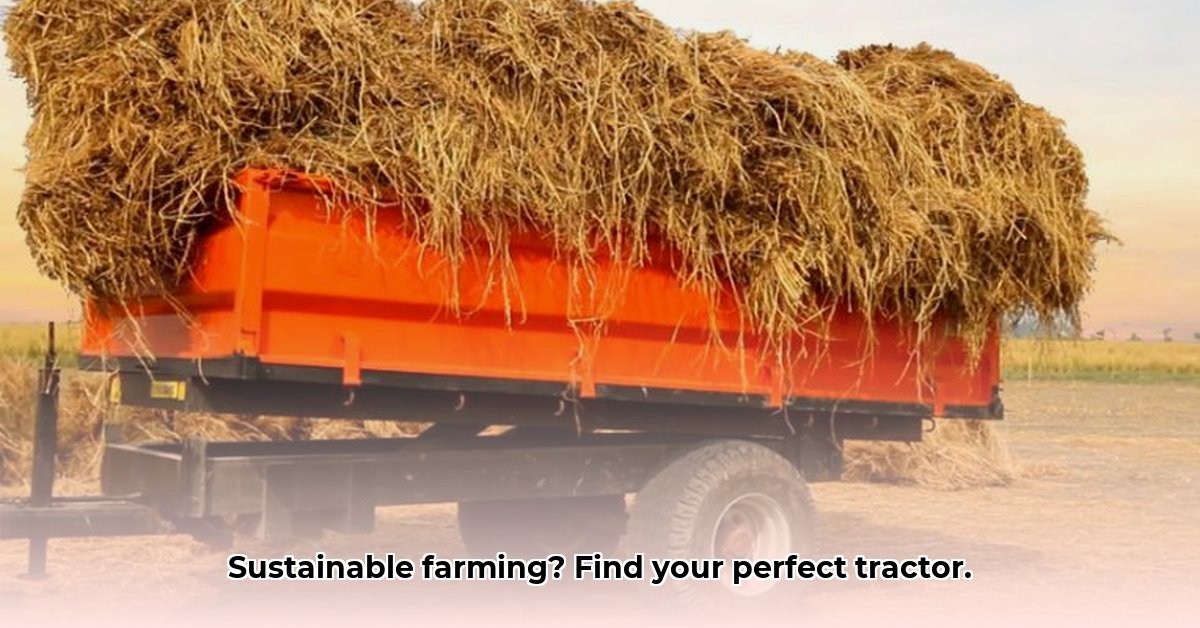
- Bale Trailers: Designed for hay and straw transport, crucial factors include bale capacity, ease of loading/unloading, and structural integrity.
- Livestock Trailers: Prioritizing animal welfare, these trailers require features ensuring ventilation, secure containment, and comfortable transport. Dr. Emily Carter, Veterinarian at the University of Illinois, emphasizes the importance of "adequate ventilation and secure floorings to minimize stress and injury during transportation."
- Flatbed Trailers: Versatile for diverse cargo, including equipment, supplies, and produce, these trailers need robust tie-down systems for secure load transportation.
- Grain Trailers: Leak-proof design and efficient unloading systems are critical to minimize grain loss and optimize efficiency.
Sustainable Choices: Embracing Eco-Friendly Practices
Sustainability isn't just a trend; it’s a necessity. Consider the environmental impact of your choices. Lighter trailers made from aluminum or recycled materials reduce fuel consumption. "Lightweight materials, like aluminum, significantly decrease fuel consumption, which directly impacts your operating costs and reduces your carbon footprint," notes John Miller, CEO of GreenTractor Manufacturing.
Key Decision Factors: A Prioritized Checklist
Choosing the right combination involves several key considerations:
- Payload Capacity: Accurate assessment prevents underpowering or overloading.
- Maneuverability: Consider field size and access for optimal trailer agility.
- Durability: Invest in high-quality equipment to minimize repair costs over time.
- Maintenance: Opt for easy-to-maintain designs to reduce downtime and expenses.
- Safety Features: Prioritize trailers with reliable brakes, lights, and reflective materials for safe operation.
Sourcing Your Equipment: Dealerships vs. Online Marketplaces
Both options present advantages and disadvantages. Online marketplaces offer extensive choices and price comparisons, while dealerships provide personalized service, expert advice, and on-site equipment inspections. “Local dealerships can offer valuable insights, tailored to your specific farming context,” says Sarah Jenkins, owner of Jenkins Farm Supplies.
The New vs. Used Equipment Dilemma
New equipment offers warranties, but used equipment can be more affordable, requiring careful inspection. A thorough pre-purchase inspection is crucial for used equipment, helping to avoid unexpected repairs.
Emerging Trends: The Future of Sustainable Farm Equipment
Expect to see advancements in lightweight, fuel-efficient designs, and innovations like electric towing systems. These technologies promise enhanced sustainability and cost savings in the years to come. The agricultural technology sector is rapidly evolving, driving innovation in sustainable farming practices.
Your Action Plan: A Step-by-Step Guide
- Assess Your Needs: Define hauling needs, volume, and material types.
- Research Your Options: Explore different tractor and trailer types suitable to your needs.
- Prioritize Sustainability: Consider lightweight materials, fuel-efficient designs, and recycled components.
- Compare Prices and Features: Evaluate costs from various sources, factoring in long-term maintenance.
- Seek Expert Advice: Consult experienced farmers and equipment dealers for personalized guidance.
This comprehensive guide provides a robust framework for making informed choices. Remember that thorough research and expert consultation are critical to ensuring the optimal tractor and trailer combination for your farm's unique needs and sustainability goals. Investing wisely today ensures a more profitable and environmentally responsible future.